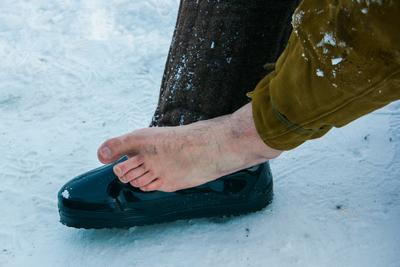
Colorado winters can be harsh, and prolonged exposure to cold temperatures puts your feet at serious risk for frostbite. When skin and underlying tissues freeze, circulation can be compromised, leading to pain, numbness, and long-term damage if not addressed quickly. At Cherry Creek Foot and Ankle in Denver, CO, Dr. Florin Costache and Dr. Kevin Derickson help patients recognize frostbite risks and take proactive steps to protect their foot health during the winter months.
Understanding How Frostbite Affects the Feet
Frostbite occurs when extreme cold causes blood vessels to constrict, reducing blood flow to exposed areas such as the toes, heels, and soles of the feet. Early signs often include cold skin, tingling, redness, or numbness. As frostbite progresses, the skin may become pale, hard, or waxy, and sensation can be lost completely. Because the feet are far from the heart and frequently exposed to cold surfaces, they are especially vulnerable during outdoor winter activities.
Footwear Choices That Reduce Risk
Proper footwear is one of the most important defenses against frostbite. Insulated, waterproof boots help retain warmth and keep moisture away from the skin. Boots should fit comfortably without being too tight, as restricted circulation increases frostbite risk. Thick, moisture-wicking socks made from wool or synthetic blends help keep feet dry while maintaining warmth. Cotton socks should be avoided, as they trap moisture and increase heat loss.
Staying Dry and Warm Outdoors
Moisture dramatically increases the risk of frostbite. Changing socks if they become wet and removing damp footwear as soon as possible helps protect the skin. When spending extended time outdoors, taking breaks indoors to warm your feet can prevent prolonged cold exposure. Paying attention to weather conditions, wind chill, and time spent outside is essential, especially during extreme cold snaps common in Denver winters.
Recognizing When Medical Care Is Needed
If numbness, discoloration, blistering, or pain persists after warming the feet, medical evaluation is important. Frostbite can cause lasting nerve damage, skin breakdown, or infection if left untreated. Early intervention helps reduce complications and supports proper healing. Foot specialists can assess circulation, tissue health, and recommend appropriate treatment based on severity.
Winter Foot Care Support in Denver
Protecting your feet from frostbite is an essential part of staying active and safe during Colorado winters. Cherry Creek Foot and Ankle in Denver, CO, provides expert care for cold-related foot conditions and winter foot injuries. If you have concerns about frostbite, circulation, or cold-weather foot pain, contact Cherry Creek Foot and Ankle to schedule an appointment with Dr. Florin Costache or Dr. Kevin Derickson by calling (303) 355-1695.