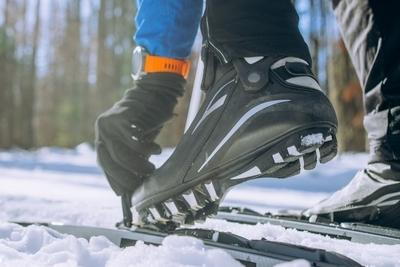
Skiing is a favorite winter activity for many Denver residents, but long days on the slopes can take a toll on your feet and ankles if proper precautions are not taken. Tight boots, repetitive motion, cold temperatures, and high-impact terrain all increase the risk of injury. At Cherry Creek Foot and Ankle Clinic in Denver, CO, Dr. Florin Costache and Dr. Kevin Derickson frequently help patients recover from skiing-related foot problems that could have been prevented with the right preparation and care.
Choose Ski Boots That Fit Correctly
Poorly fitting ski boots are one of the most common causes of foot injuries. Boots that are too tight can restrict circulation and cause numbness, nerve irritation, or pressure sores, while boots that are too loose allow excessive movement that increases strain on the foot and ankle. A proper boot fit should feel snug without causing pain, with even pressure throughout the foot. Custom boot fitting and supportive inserts can help improve alignment and reduce stress during long hours on the slopes.
Support Your Feet With Proper Alignment
Skiing places repeated stress on the arches, heels, and ankles. If your feet roll inward or outward excessively, this imbalance can lead to arch pain, plantar fasciitis, ankle strain, or tendon injuries. Supportive insoles or custom orthotics help stabilize the foot inside the boot, improve balance, and reduce fatigue. Proper alignment also improves performance and control while skiing.
Warm Up and Stretch Before Hitting the Slopes
Cold muscles and tight tendons are more prone to injury. Gentle stretching before skiing helps prepare the feet, ankles, and calves for activity. Simple movements that loosen the Achilles tendon, plantar fascia, and ankle joints can reduce the risk of strains and overuse injuries. Taking a few minutes to warm up can make a significant difference in comfort and injury prevention.
Pay Attention to Pain and Early Warning Signs
Foot pain, numbness, tingling, or cramping during skiing should not be ignored. These symptoms may indicate pressure points, circulation issues, or early injury. Taking breaks, adjusting boots, or stopping activity when pain begins can help prevent more serious problems. Continuing to ski through discomfort often leads to injuries that require longer recovery time.
Protect Against Cold-Related Foot Problems
Colorado winter temperatures increase the risk of frostbite and circulation-related foot issues. Wearing moisture-wicking socks, keeping boots dry, and taking warming breaks indoors help protect foot health. If toes become numb or pale, it is important to warm them gradually and avoid further cold exposure.
Professional Care for Ski-Related Foot Injuries
Even with precautions, injuries can happen. Heel pain, ankle sprains, nerve irritation, and tendon injuries are common after skiing. Early evaluation helps prevent minor issues from becoming long-term problems. Treatment may include supportive devices, orthotics, rehabilitation exercises, or other targeted care depending on the injury.
If foot or ankle pain is interfering with your ability to enjoy skiing this season, Cherry Creek Foot and Ankle Clinic in Denver, CO, is here to help. To schedule an appointment with Dr. Florin Costache or Dr. Kevin Derickson, call (303) 355-1695 and get back to enjoying Colorado winters with greater comfort and confidence.